
Best Impact Drivers for DIY
An impact driver adds quick rotational impacts to steady turning, which drives long screws and lag bolts with less strain on your wrist. It is a driving tool more than a drilling tool. This page is for homeowners building decks, fences and shelves who want a faster way to drive fasteners.
Jump to section
What we look for
Torque and impact rate
these numbers show how hard the tool can drive a fastener and how fast it hits.
Speed and precision modes
modes let you slow the tool down so small screws do not strip or snap.
Quick-load hex chuck
the 1/4-in hex chuck lets you swap bits with one hand.
Head length
a shorter head fits between joists and studs where a long tool cannot.
Brushless motor
brushless motors can run cooler and last longer per charge.
Fits your battery platform
a driver that uses the batteries you already own saves money and clutter.
- Sources: manufacturer product pages, manuals and warranty terms, plus NIOSH noise guidance for the hearing protection point.
How to choose the right impact driver
If you are choosing between this tool and a drill, read drill vs impact driver first. Our guide to choosing a cordless drill covers voltage classes and batteries, which apply here too.
Torque and impact rate
Torque is turning force and impacts per minute is how often the tool hammers. Higher numbers are meant for heavier fasteners such as decking screws and lag screws. Check the Max torque and Impacts per minute columns, but treat each maker's torque figure as a listing claim and compare tools mainly within one maker's range.
Speed and precision modes
Many impact drivers have a low-speed or precision mode, plus higher modes for heavy fasteners. A mode that reduces the impact action helps when you drive small screws into cabinets or trim. Look at the Modes column: more modes give more control, and a single-speed model is simpler but less forgiving. If you drive many screws into trim and cabinets, the modes matter more than the top torque figure.
Quick-load hex chuck
Impact drivers take bits with a 1/4-in hex shank. You push the bit into the chuck and it locks. As an example of a listing, DeWalt's entry combo kit page describes its impact driver with a 1/4-in hex chuck that accepts 1-in bit tips (DeWalt kit page). Buy impact-rated bits and keep a few lengths on hand.
Head length
Head length is the front-to-back size of the tool. A compact head reaches into tight spots such as between studs or under a sink. Check the Head length column, and weigh it against power: the shortest models often trade away some torque. For general home use, a compact tool is easier to live with. Read the maker's description of the head length together with the weight, since both affect how the tool feels in a tight space.
Brushless motor
Makita claims its brushless motors are up to 50% more efficient than a comparative model, and that an 18V battery will last almost twice as long as with a standard motor (Makita). That is a maker claim. See brushless vs brushed tools for what the claim means in practice.
Fits your battery platform
If you already own a drill, buy an impact driver on the same battery platform and consider a bare tool, which comes without a battery or charger. If you own nothing yet, a drill and impact driver combo kit can be the simpler start. Use only the charger and batteries approved for the tool (NY DHSES).
Tips for using your impact driver
- Impact drivers are loud. NIOSH lists power tools among equipment around 85-90 dBA and advises hearing protection in noisy areas (NIOSH).
- Remove the battery before you change accessories. OSHA says to disconnect tools when changing accessories such as blades and bits (OSHA 3080).
- Use the low-speed or precision mode when you drive small screws.
- Read power tool safety basics before you start a bigger project.
FAQ
Should I buy a drill or an impact driver first?
A drill bores holes and drives screws. An impact driver drives long screws with less strain on your wrist. Our drill vs impact driver page compares them in detail.
Which bits fit an impact driver?
Bits with a 1/4-in hex shank. As one example, DeWalt's entry combo kit page lists a 1/4-in hex chuck on its impact driver that accepts 1-in bit tips (DeWalt kit page).
Will it strip small screws?
It can. Use a low-speed or precision mode when you drive small screws, and read the manual for how the modes work.
Do I need hearing protection?
NIOSH lists power tools among equipment that produces around 85 to 90 dBA, and advises hearing protection in noisy areas (NIOSH).
Related
-

Buying guide
Best Cordless Drills for Home Use
Voltage class, chuck, motor type and battery kit, side by side.
-

Buying guide
Best Drill and Impact Driver Combo Kits
Batteries, charger, motor type and case, compared kit by kit.
-
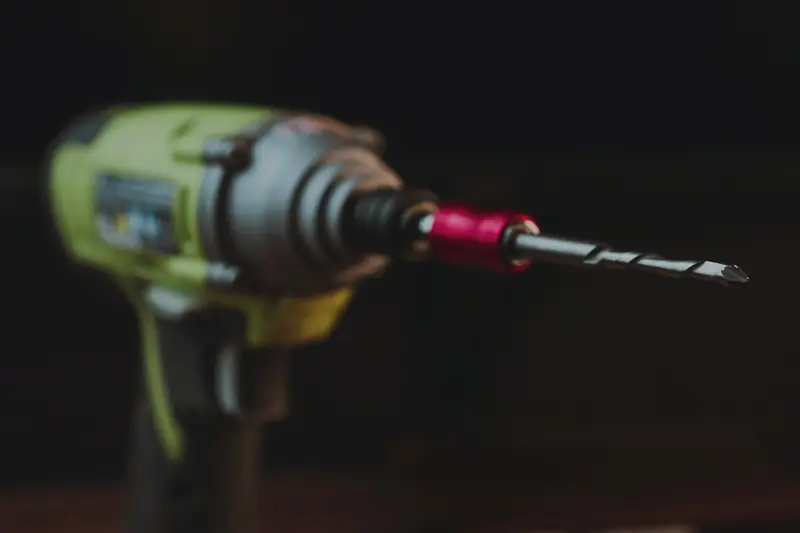
Comparison
Drill vs Impact Driver: Which One Do You Need?
Steady turning or turning with impacts: which tasks each does best.
-
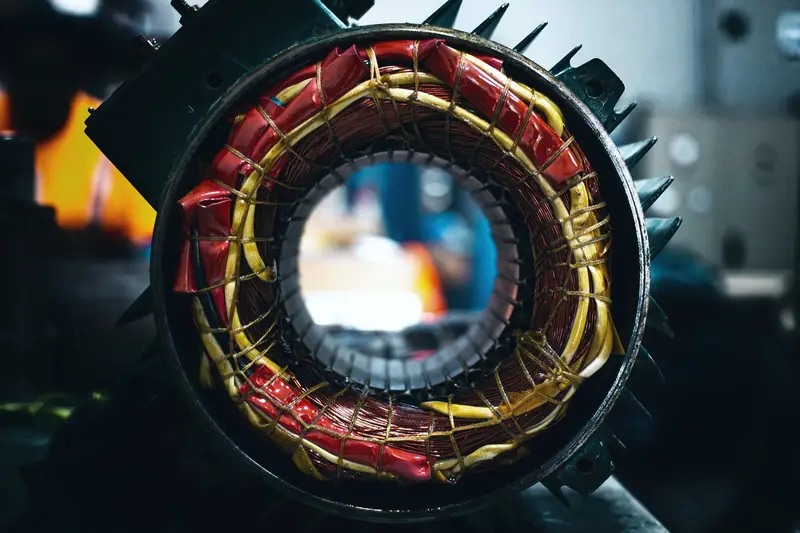
Comparison
Brushless vs Brushed Power Tools: Is Brushless Worth It?
How the motors differ, what makers claim, and when brushed is enough.
-

Guide
How to Choose a Cordless Drill: Voltage, Chuck, Motor and Battery
What the voltage, chuck, motor and battery labels mean for your jobs.
-

Get the Before-You-Cut Safety Checklist
A printable 8-point check to run before you cut, drill or charge: guards, blade depth, clamping, protection and batteries. Free, and sized for the shop wall.