Brushless vs Brushed Power Tools: Is Brushless Worth It?
Brushed and brushless are two ways to build a power tool's motor. Brushless motors work without brushes to apply friction, and makers say that makes them more efficient. The gain is real in the makers' own words, but the figures are maker claims, so we label them as such.
Brushless: the better choice if…
- You use your tools often or for long jobs.
- You want longer runtime from each battery charge.
- You want a tool with less motor maintenance.
Brushed: the better choice if…
- You use a tool for occasional jobs around the house.
- You want the lowest purchase price and can live with a larger tool.
- You already own the battery platform and need a basic tool.
Jump to section
At a glance
| Point | Brushless | Brushed |
|---|---|---|
| How the motors differ | No brushes, so no brush friction | Brushes apply friction |
| Efficiency and runtime | Maker claims longer runtime | Standard motor baseline |
| Maintenance | Less, per Makita | Brushes wear down |
| Price | Usually higher | Usually lower |
| Size and weight | Varies by model | Varies by model |
| When it is enough | Frequent or long jobs | Occasional home jobs |
How the motors differ
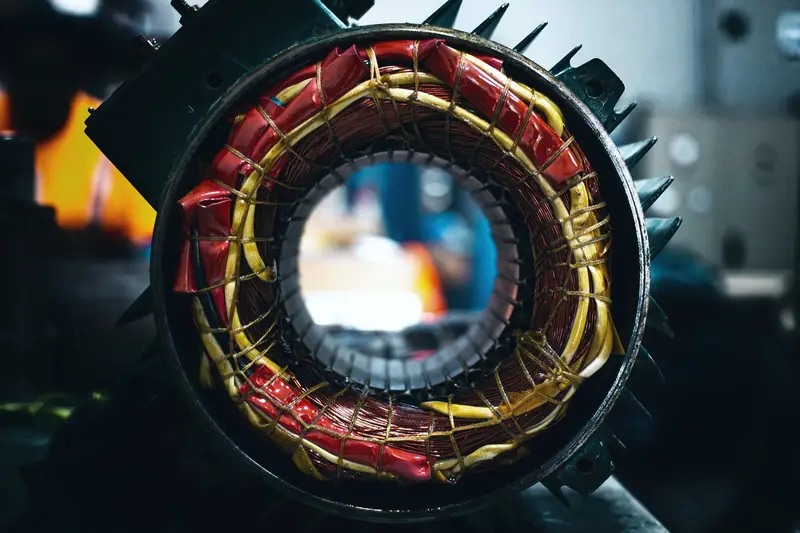
A brushed motor uses brushes that rub against the spinning part. A brushless motor does the same job without brushes. Makita describes its brushless motors as working "without brushes to apply friction" (Makita).
Efficiency and runtime
These are maker claims, not measurements we made. Makita says its brushless motor is up to 50% more efficient than a comparative model, and that an 18V battery will last almost twice as long as with a standard motor (Makita). Other makers publish their own figures, so treat any such number as a claim for that maker's tools.
Maintenance
Makita says brushless motors need less maintenance because there are no brushes to wear down (Makita). For a tool you use a few times a year, that matters less than the price. Whatever the motor, keep tools in good condition and check them for damage before use, as OSHA advises (OSHA 3080).
Price
Brushless tools tend to cost more than comparable brushed ones. Prices change often, so check the current price of each tool on Amazon on the day you buy. A kit can lower the cost of a brushless set: see our combo kit page.
Size and weight
Size and weight vary by model, and a brushless tool is not always the smaller one. Compare the Weight and length columns on our cordless drill and impact driver pages.
When brushed is enough
If you drill a few holes and drive a few screws each month, a brushed tool does the job and costs less. If you build decks, run long jobs or use a tool all day, a brushless model's claimed runtime is worth the extra cost. Match the tool to how you work.
Which should you buy?
For occasional home jobs, a brushed cordless drill is enough. For frequent or long jobs, look at brushless models in our impact driver and combo kit pages.
Alternatives
If your question is really which tool to buy, see drill vs impact driver.
FAQ
Is brushless always better?
Makers claim better efficiency and runtime, but those are maker claims, and a brushed tool is enough for occasional use.
Does brushless mean more power?
Makita's claim is about efficiency and runtime, not power (Makita). Check each tool's listed torque and speed.
Can I mix brushless tools with brushed ones?
On the same battery platform, yes, as long as you use only batteries and chargers approved for the tool (NY DHSES).
Related
-

Buying guide
Best Cordless Drills for Home Use
Voltage class, chuck, motor type and battery kit, side by side.
-

Buying guide
Best Impact Drivers for DIY
Torque, impact rate, speed modes and head length, side by side.
-

Buying guide
Best Drill and Impact Driver Combo Kits
Batteries, charger, motor type and case, compared kit by kit.
-
Comparison
Drill vs Impact Driver: Which One Do You Need?
Steady turning or turning with impacts: which tasks each does best.
-

Guide
How to Choose a Cordless Drill: Voltage, Chuck, Motor and Battery
What the voltage, chuck, motor and battery labels mean for your jobs.
Get the Before-You-Cut Safety Checklist
A printable 8-point check to run before you cut, drill or charge: guards, blade depth, clamping, protection and batteries. Free, and sized for the shop wall.