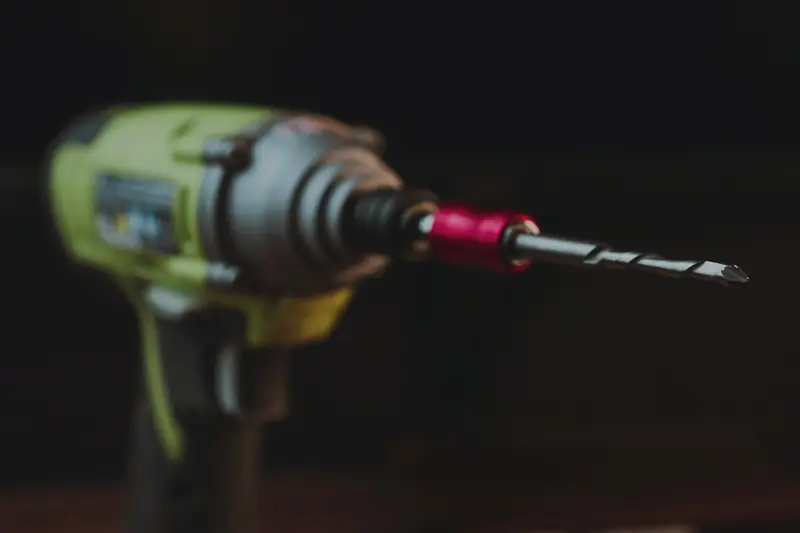
Impact driver with a bit extension driving a screw into a marked wooden board

Best Impact Drivers for DIY of 2026: 5 Picks Compared

We may earn a commission when you buy through links on this page. As an Amazon Associate I earn from qualifying purchases. How we make money

An impact driver adds quick rotational impacts to steady turning, which drives long screws and lag bolts with less strain on your wrist. It is a driving tool more than a drilling tool. This page is for homeowners building decks, fences and shelves who want a faster way to drive fasteners.

We compared 5 impact drivers and picked 5.

Our picks at a glance

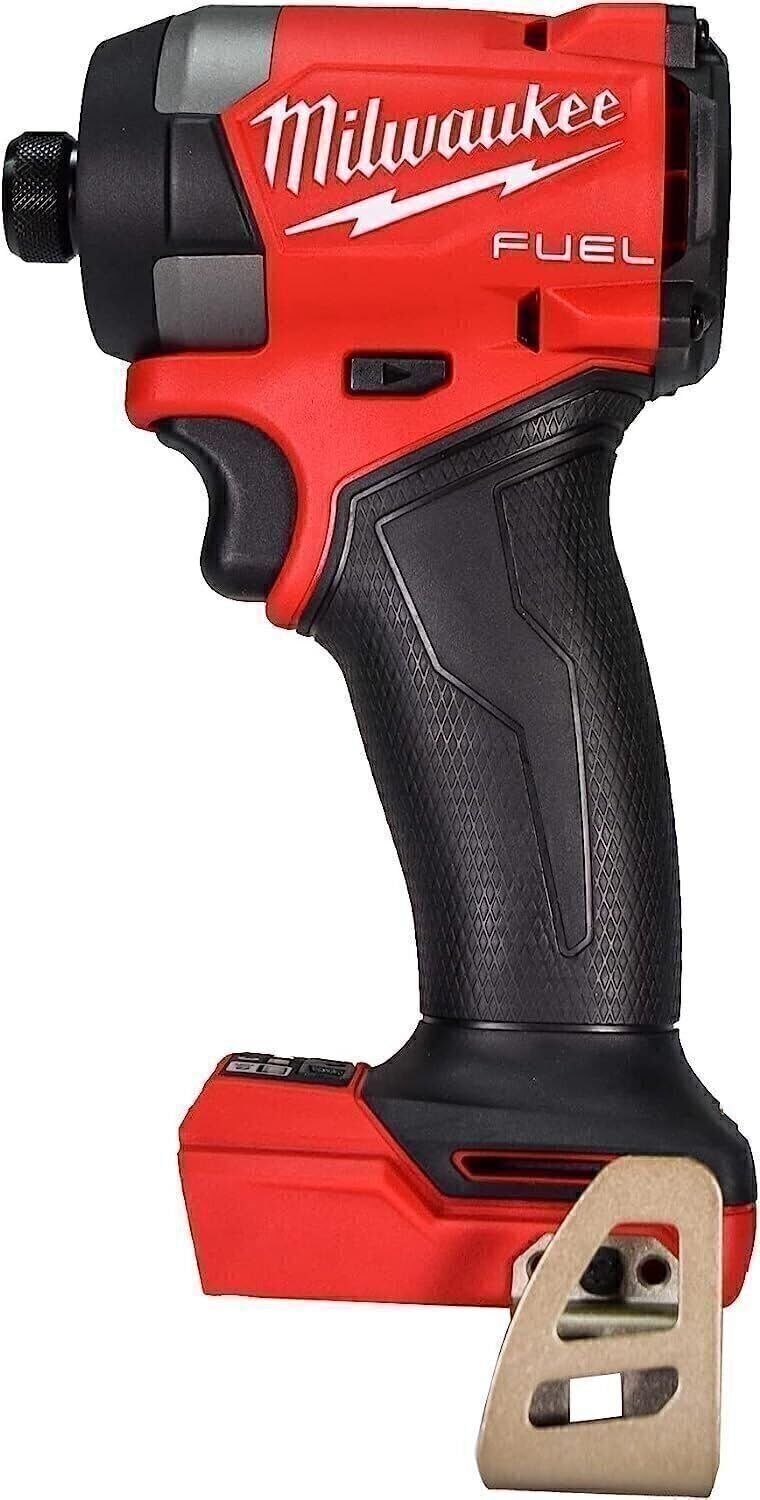
  1. Milwaukee 2953-20 M18 FUEL
    ★ Start here Best overall Milwaukee 2953-20 M18 FUEL High torque with four drive modes to avoid stripping small screws.

    $123.00 Price as of Nov 24, 2026, 9:13 PM ET. Details

  2. DEWALT DCF850B ATOMIC
    Best compact DEWALT DCF850B ATOMIC A very short three-speed impact driver for cabinets and tight spaces.

    $139.99 Price as of Nov 24, 2026, 9:14 PM ET. Details

  3. Makita XDT14Z
    Best for Makita owners Makita XDT14Z A Quick-Shift mode helps drive self-tapping screws without stripping.

    $130.91 Price as of Nov 24, 2026, 9:16 PM ET. Details

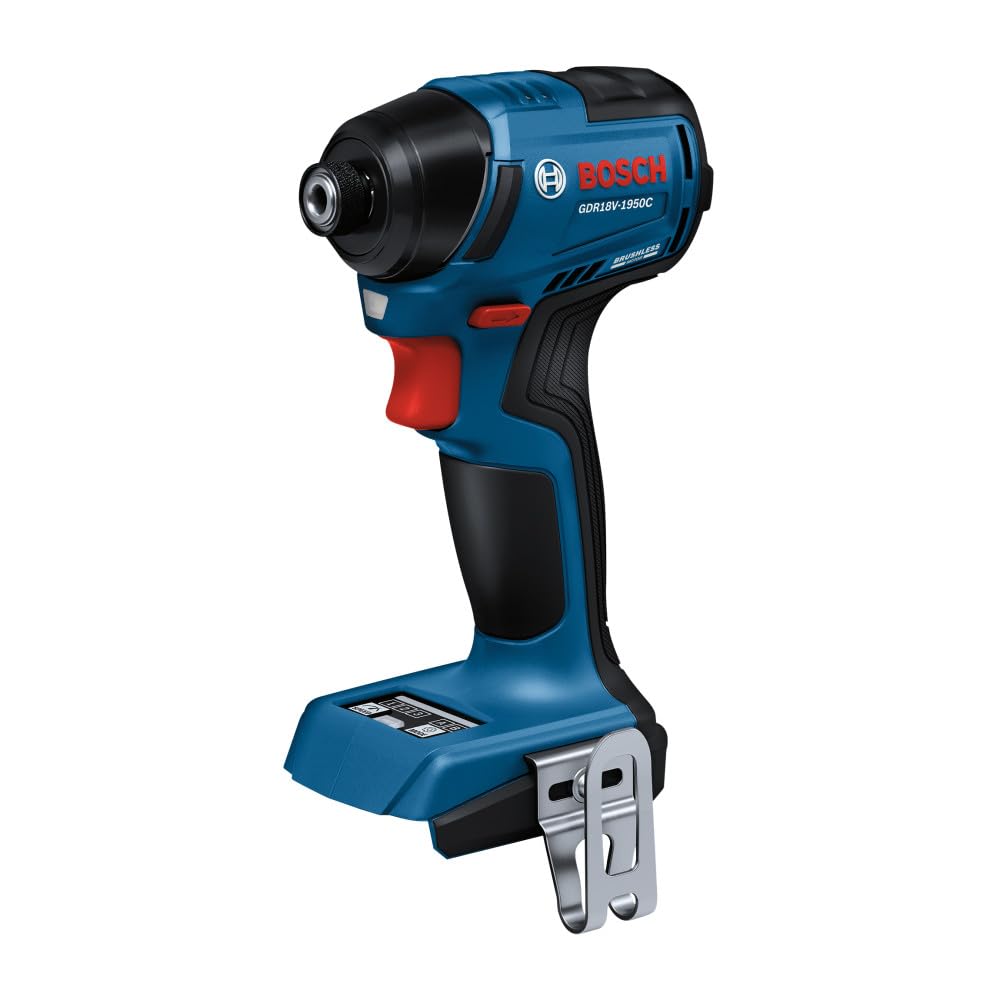
  4. Bosch GDR18V-1950CN
    Best high-torque compact Bosch GDR18V-1950CN Strong torque in a compact brushless body.

    $199.00 Price as of Nov 24, 2026, 9:17 PM ET. Details

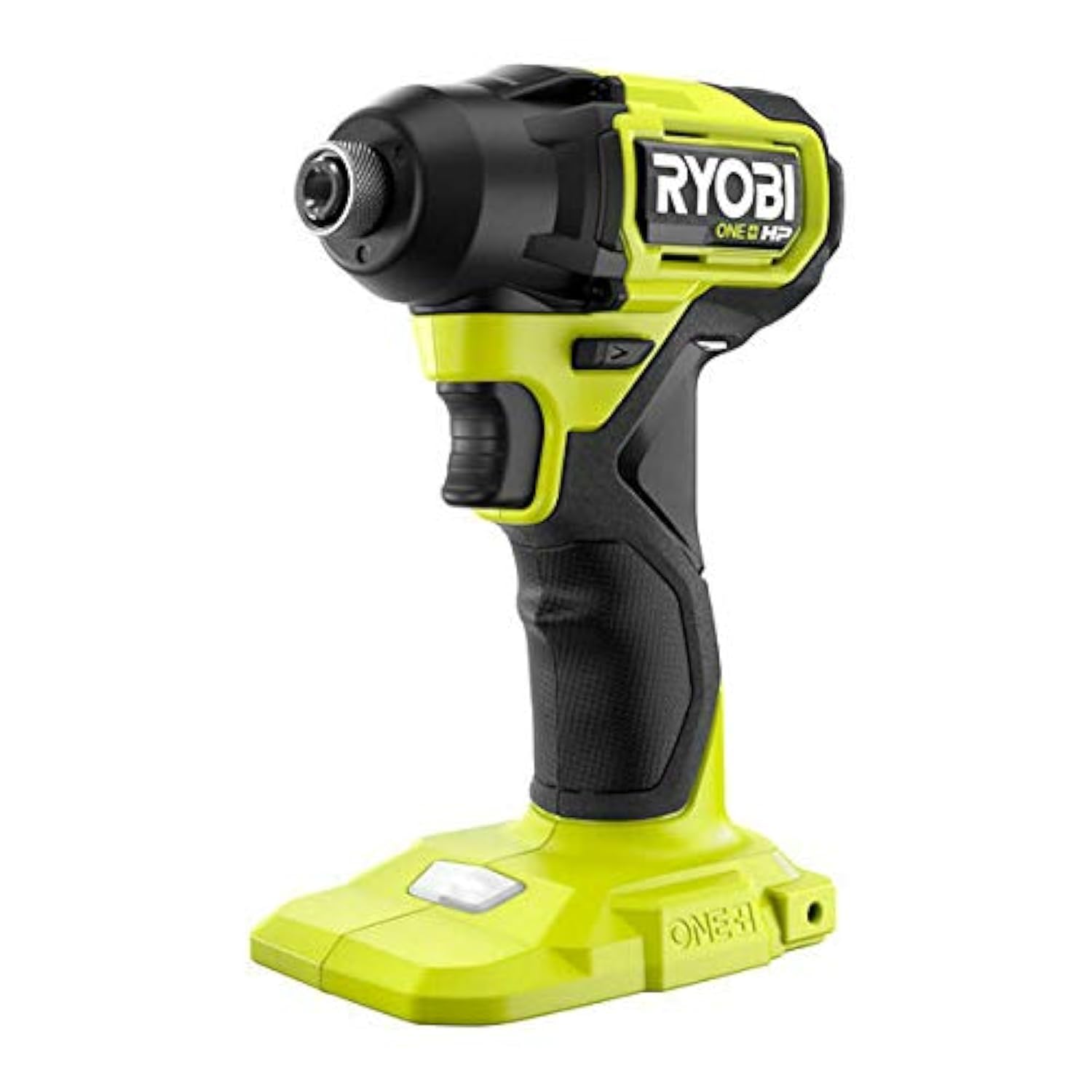
  5. RYOBI ONE+ HP Compact Brushless
    Best budget RYOBI ONE+ HP Compact Brushless A brushless compact impact driver at a low tool-only price.
    Currently unavailable on Amazon

Compare the picks

Product Voltage (V) Max torque (in-lb) Impacts per minute (IPM) (IPM) Speed (RPM) Modes (#) Head length (in) Motor Weight (lb) Link
Milwaukee 2953-20 M18 FUEL Best overall Milwaukee 2953-20 M18 FUEL – 2000 in-lb – 3900 rpm 4 – – 2.2 pounds View on Amazon (opens Amazon in a new tab)
DEWALT DCF850B ATOMIC Best compact DEWALT DCF850B ATOMIC 20 1825 in-lb – 3250 rpm 3 – – 2.4 pounds View on Amazon (opens Amazon in a new tab)
Makita XDT14Z Best for Makita owners Makita XDT14Z 18 volts 1550 in-lb – 3600 rpm 3 – – 2.1 pounds View on Amazon (opens Amazon in a new tab)
Bosch GDR18V-1950CN Best high-torque compact Bosch GDR18V-1950CN 18 1950 in-lb – 4000 rpm – – – – View on Amazon (opens Amazon in a new tab)
RYOBI ONE+ HP Compact Brushless Best budget RYOBI ONE+ HP Compact Brushless 18 volts 0.42 N m – 2900 rpm 4 – – 2.1 pounds Currently unavailable on Amazon

Specs as listed by the manufacturer or seller. Paid links.

Jump to section
  1. How we chose
  2. The best impact drivers
  3. How to choose the right impact driver
  4. Tips for using your impact driver
  5. FAQ
  6. Sources

How we chose

  • Torque and impact rate

    these numbers show how hard the tool can drive a fastener and how fast it hits.

  • Speed and precision modes

    modes let you slow the tool down so small screws do not strip or snap.

  • Quick-load hex chuck

    the 1/4-in hex chuck lets you swap bits with one hand.

  • Head length

    a shorter head fits between joists and studs where a long tool cannot.

  • Brushless motor

    brushless motors can run cooler and last longer per charge.

  • Fits your battery platform

    a driver that uses the batteries you already own saves money and clutter.

  • We compared 5 impact drivers that fit this page and picked 5.
  • Sources: manufacturer product pages, manuals and warranty terms, plus NIOSH noise guidance for the hearing protection point.
  • Specs as listed: every value in our table comes from the manufacturer or seller listing. Torque and impact-rate figures are the maker's own and are not comparable between brands. A dash means the listing does not give that spec.
  • We have not hands-on tested these products. Full method

The best impact drivers

How to choose the right impact driver

If you are choosing between this tool and a drill, read drill vs impact driver first. Our guide to choosing a cordless drill covers voltage classes and batteries, which apply here too.

Torque and impact rate

Torque is turning force and impacts per minute is how often the tool hammers. Higher numbers are meant for heavier fasteners such as decking screws and lag screws. Check the Max torque and Impacts per minute columns, but treat each maker's torque figure as a listing claim and compare tools mainly within one maker's range.

Speed and precision modes

Many impact drivers have a low-speed or precision mode, plus higher modes for heavy fasteners. A mode that reduces the impact action helps when you drive small screws into cabinets or trim. Look at the Modes column: more modes give more control, and a single-speed model is simpler but less forgiving. If you drive many screws into trim and cabinets, the modes matter more than the top torque figure.

Quick-load hex chuck

Impact drivers take bits with a 1/4-in hex shank. You push the bit into the chuck and it locks. As an example of a listing, DeWalt's entry combo kit page describes its impact driver with a 1/4-in hex chuck that accepts 1-in bit tips (DeWalt kit page). Buy impact-rated bits and keep a few lengths on hand.

Head length

Head length is the front-to-back size of the tool. A compact head reaches into tight spots such as between studs or under a sink. Check the Head length column, and weigh it against power: the shortest models often trade away some torque. For general home use, a compact tool is easier to live with. Read the maker's description of the head length together with the weight, since both affect how the tool feels in a tight space.

Brushless motor

Makita claims its brushless motors are up to 50% more efficient than a comparative model, and that an 18V battery will last almost twice as long as with a standard motor (Makita). That is a maker claim. See brushless vs brushed tools for what the claim means in practice.

Fits your battery platform

If you already own a drill, buy an impact driver on the same battery platform and consider a bare tool, which comes without a battery or charger. If you own nothing yet, a drill and impact driver combo kit can be the simpler start. Use only the charger and batteries approved for the tool (NY DHSES).

Tips for using your impact driver

  • Impact drivers are loud. NIOSH lists power tools among equipment around 85-90 dBA and advises hearing protection in noisy areas (NIOSH).
  • Remove the battery before you change accessories. OSHA says to disconnect tools when changing accessories such as blades and bits (OSHA 3080).
  • Use the low-speed or precision mode when you drive small screws.
  • Read power tool safety basics before you start a bigger project.

FAQ

Should I buy a drill or an impact driver first?

A drill bores holes and drives screws. An impact driver drives long screws with less strain on your wrist. Our drill vs impact driver page compares them in detail.

Which bits fit an impact driver?

Bits with a 1/4-in hex shank. As one example, DeWalt's entry combo kit page lists a 1/4-in hex chuck on its impact driver that accepts 1-in bit tips (DeWalt kit page).

Will it strip small screws?

It can. Use a low-speed or precision mode when you drive small screws, and read the manual for how the modes work.

Do I need hearing protection?

NIOSH lists power tools among equipment that produces around 85 to 90 dBA, and advises hearing protection in noisy areas (NIOSH).